Bifold Doors for Easy Access
Bifold Doors or Sliding Doors: Which Is the Right Choice for Your Home?
In the matter of selecting between bifold and sliding door options, homeowners encounter a critical decision. Both options offer notable benefits tailored to different needs. Bifold doors create a smooth transition between indoor and outdoor spaces, whereas sliding doors offer a streamlined, space-conscious alternative. Grasping the distinctions between each option can significantly influence the look and practicality of your home. Which option will ultimately improve your home's aesthetics and usability? You might be surprised by the result.
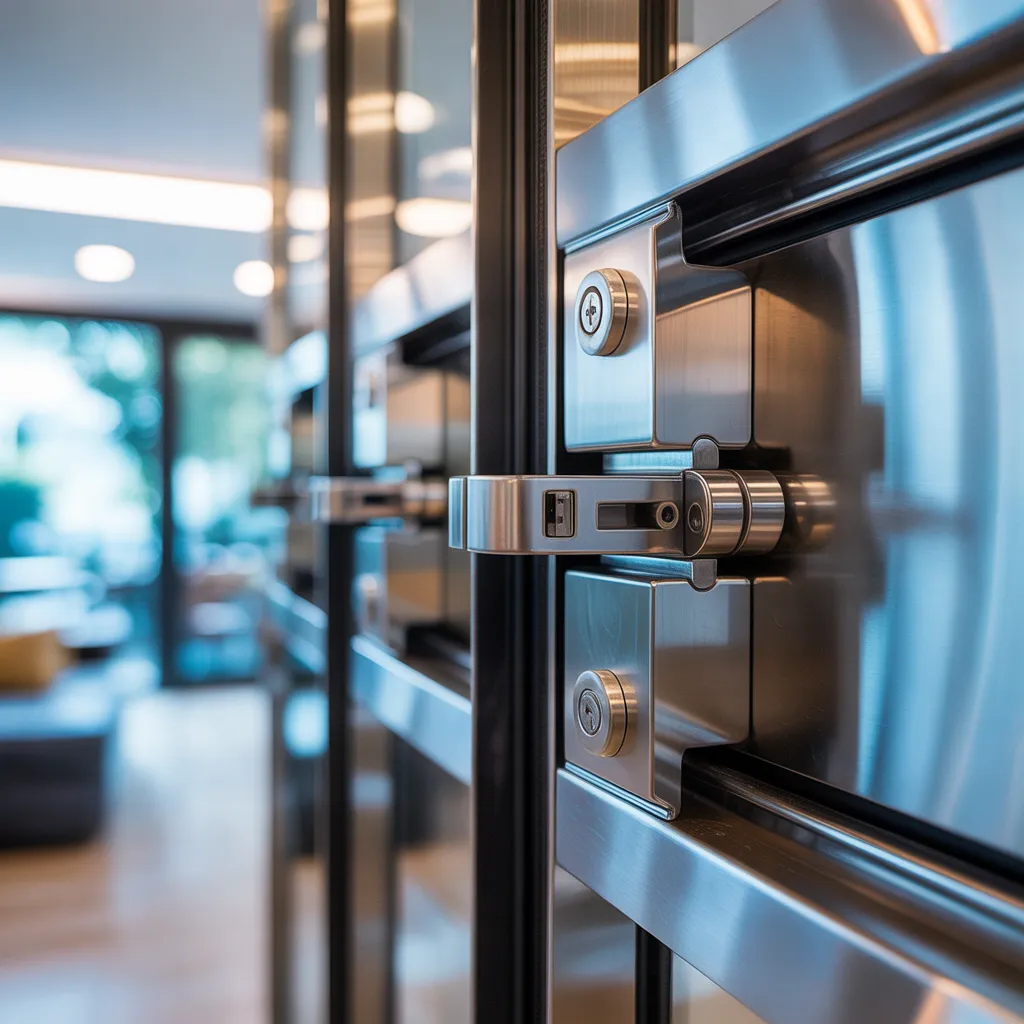
Bifold versus Sliding Doors: Which Is Right for Your Space?
When choosing between bifold and sliding doors, what elements should be evaluated for superior functionality and aesthetic value? Space availability is a key factor; bifold doors demand extra room to fold and swing open, making them a perfect choice for bigger spaces. On the other hand, sliding doors travel along a dedicated track, requiring less space, which makes them advantageous for more compact spaces.
The overall style of the home is also a key factor to consider. Bifold doors tend to deliver a more modern aesthetic, with their ability to create wide openings, boosting the connection between interior and exterior areas. On the other hand, sliding doors offer a clean, minimalist look that pairs well with modern design styles.
Longevity and upkeep are further factors to consider. Bifold doors often consist of more moving components, which can result in greater wear as time passes. In contrast, sliding doors generally contain fewer parts, making maintenance more straightforward. Ultimately, the choice between bifold and sliding doors copyrights on individual needs, preferences, and the specific characteristics of the space in question.
Top Benefits of Bifold Doors
Bifold doors provide considerable benefits for contemporary spaces, particularly in their space-saving design. By neatly folding against one side, they generate an open setting that maximizes usable area. Furthermore, their large glass panels improve natural light penetration, lightening interior spaces and creating a seamless link with the outdoors.
Space-Efficient Design Benefit
Since homeowners are always searching for ways to optimize their living areas, bifold doors offer an impressive answer. Their unique design allows multiple panels to fold neatly against one background information another, creating an expansive opening without the need for a large swing radius. This functionality is particularly advantageous in smaller areas where traditional doors may impede movement or limit usable space. Bifold doors can seamlessly connect indoor and outdoor environments, enhancing the flow of the home while providing flexibility in layout options. Furthermore, they are available in a range of widths and heights, rendering them appropriate for virtually any space. Ultimately, bifold doors not only preserve valuable space but also provide a practical approach to elevating both usability and elegance in residential applications.
Increased Natural Light Access
As homeowners seek to brighten their living spaces, bifold doors prove to be an ideal solution for enhancing natural light access. Unlike traditional sliding doors, which typically consist of one fixed panel, bifold doors consist of numerous panels that collapse together, producing an expansive opening. This layout enhances the penetration of natural light, illuminating interiors more effectively. The wide glass panels enable sunlight to reach further into living spaces, decreasing the dependency on electric lighting during daylight hours. Moreover, when fully opened, bifold doors establish a fluid transition between interior and exterior areas, additionally increasing the overall luminosity of the home. This capacity for drawing in natural light not only boosts the aesthetic charm but also promotes a more welcoming environment.
Why Sliding Doors Could Be Your Best Bet?
When exploring ways to maximize space and visual appeal, sliding doors frequently emerge as an excellent option for numerous homeowners. Their elegant design enables smooth connectivity between interior and exterior spaces, elevating the general flow throughout a home. Unlike traditional copyrightd doors, sliding doors eliminate the need for additional clearance to operate, making them notably suitable for more limited spaces.
Additionally, sliding doors may be personalized with a variety of materials and finishes, making sure they match any style of architecture. They also offer expansive glass panels, offering open vistas and generous amounts of natural light, which helps to create a more appealing environment.
From a functional standpoint, sliding doors are typically simpler to operate, needing only minimal effort to open and close. This convenience, alongside their aesthetic advantages, makes sliding doors a compelling choice for individuals aiming to elevate both the usability and visual appeal of their homes.
Comparing Space Efficiency: Bifold vs. Sliding
Sliding doors excel in space efficiency, but bifold doors present a strong choice for homeowners looking to create wider openings. Sliding doors work on a track, permitting one panel to move past another, demanding minimal space when fully opened. This makes them perfectly suited for smaller areas where maximizing floor space is necessary.
By comparison, bifold doors are comprised of multiple panels that collapse back against each other. When fully open, they create a more expansive passageway, which can optimize the connection between indoor and outdoor living areas. However, this configuration needs more floor space to account for the folding mechanism, which may be something to consider in limited areas.
At the end of the day, the final decision regarding bifold versus sliding doors copyrights on the unique circumstances of the homeowner. People who value wider openings and clear sightlines are likely to favor bifold door systems, while people who require fluid operation in smaller layouts might discover that sliding doors better complement their space.
Cost Comparison: Bifold vs. Sliding Doors
Expense remains a key consideration for homeowners evaluating bifold doors or sliding doors, with both options carrying distinct financial implications. Generally, bifold door options are often pricier owing to their complex mechanisms and the need for high-quality materials to secure smooth operation. Installation costs can also be higher, requiring skilled labor for precise fitting.
On the other hand, sliding doors typically feature a reduced cost, making them a more budget-friendly option. The uncomplicated structure typically results in lower setup expenses. However, homeowners should consider ongoing financial considerations, such as energy efficiency and the need for replacements or repairs.
In the end, although bifold doors provide a attractive and multifunctional solution, sliding doors might represent a more budget-friendly choice from the start. Assessing both upfront costs and possible long-term expenditures is crucial for homeowners to arrive at a knowledgeable choice based on their financial constraints and lifestyle requirements.
Maintenance and Durability: Which Lasts Longer?
Upkeep and longevity are important factors for homeowners evaluating bifold and sliding doors. Bifold doors, often constructed from wood or aluminum, require consistent care to minimize damage on copyrights and tracks. Homeowners must confirm the mechanisms are properly oiled and check for any signs of decay or harm, particularly in wood-based designs. Conversely, sliding doors typically feature a more straightforward construction with a reduced number of components, which can lead to reduced upkeep requirements. However, the tracks can collect grime and particles, necessitating periodic cleaning to ensure smooth operation.
Regarding durability, each door type is capable of lasting for years when well maintained. Bifold doors tend to be more sensitive to weather and environmental elements, whereas sliding doors commonly demonstrate greater resilience against weather conditions. At the end of the day, deciding between bifold and sliding doors requires consideration of individual habits, maintenance needs, and the type of material incorporated in the door's design.

Frequently Asked Questions
What Effect Do Bifold and Sliding Doors Have on Home Energy Efficiency?
Bifold doors generally improve energy performance by delivering improved insulation and decreased air infiltration, while sliding doors can lead to greater heat loss due to larger openings. On the whole, bifold doors consistently offer outstanding thermal performance.
Am I Able to Install Bifold or Sliding Doors by Myself?
Fitting sliding or bifold doors independently is feasible for homeowners with DIY experience. That said, precise measurements, the right tools, and adherence to installation guidelines are crucial to guarantee functionality and maintain energy efficiency in the property.
What Are the Ideal Materials for These Door Categories?
For bifold doors, premium wood or aluminum materials are suggested owing to their long-lasting nature and attractive appearance. Sliding doors typically perform best with vinyl or aluminum frames, providing weather resistance and ease of maintenance while guaranteeing seamless functionality.
How Can I Decide Between Glass or Solid Panels?
Selecting between glass versus solid panels relies on desired aesthetics, natural light, and privacy. Glass panels improve openness and brightness, while solid panels provide insulation and soundproofing, addressing different preferences and functional needs in a home.
Are Bifold or Sliding Doors Better for Small Spaces?
Bifold doors are generally better for small spaces, as they retract entirely and create a smooth connection between the interior and exterior. A sliding door option, while practical in terms of space, fail to deliver the same wide-open access as bifold alternatives.